Image: Reuters
Youth are not just the leaders of tomorrow—they are the catalysts of change today. Across the globe, their energy, creativity, and vision have the power to transform societies, yet their role in shaping peace and security is often underestimated. The adoption of United Nations Security Council Resolution 2250 on Youth, Peace, and Security formally acknowledges the vital role young people play in peacebuilding worldwide.
Jordan has positioned itself at the forefront of this global movement. Under the dynamic leadership and support of His Royal Highness Crown Prince Al-Hussein bin Abdullah II, the Kingdom ensures that youth are not merely beneficiaries of programs, but active participants in policymaking and national peace initiatives. My journey—as a Peace Ambassador for ICESCO, a member of the first generation of the National Coalition for UNSCR 2250, a member of the Regional Coalition for UNSCR 2250, and a participant in international youth peace initiatives—has provided me with first-hand insights into how empowered youth can drive meaningful societal transformation.
Jordan’s Leadership in Empowering You
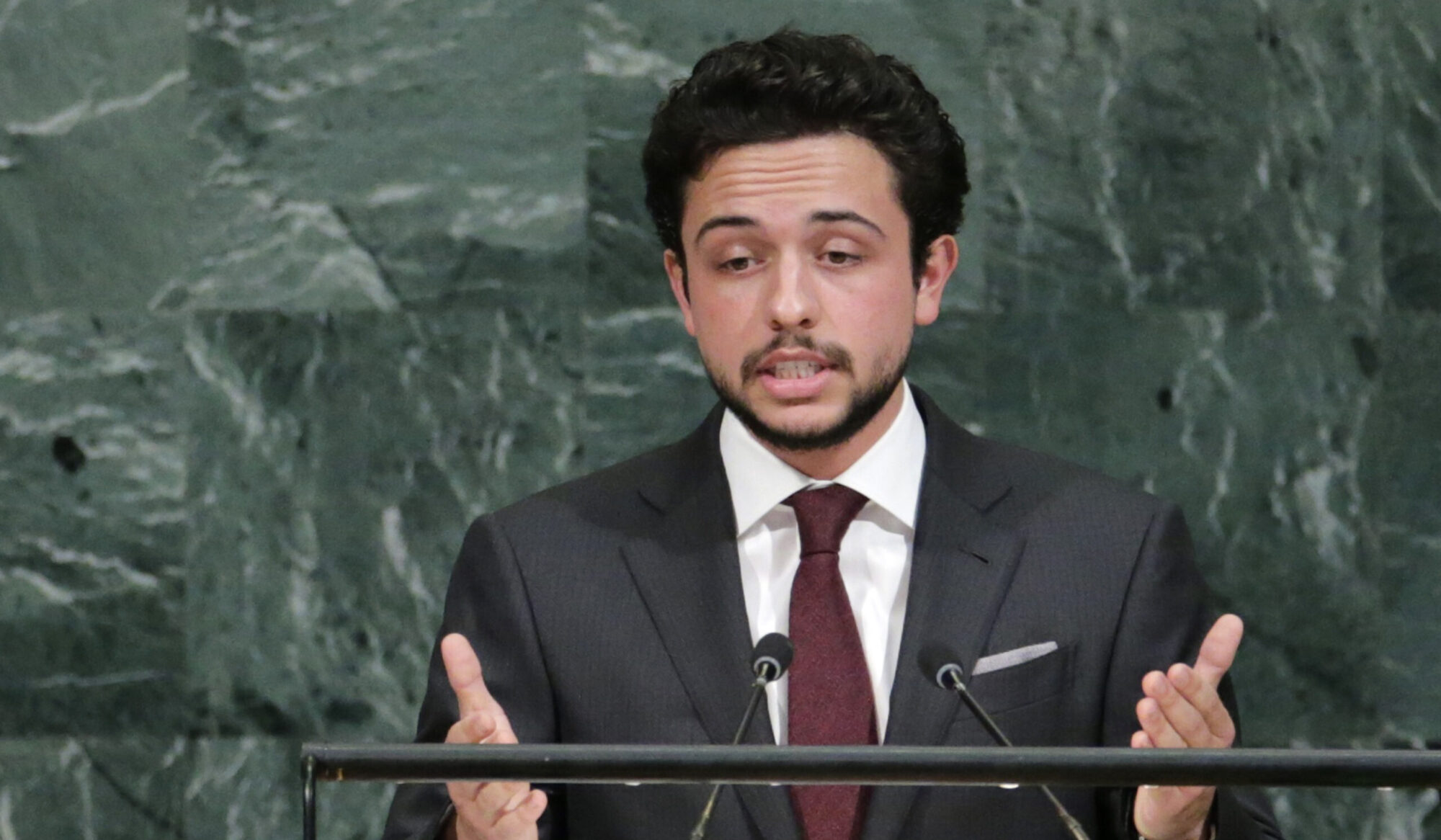
Jordan’s leadership in promoting youth engagement in the fields of peace and security stands as a pioneering model in the region, combining strategic vision with practical, on-the-ground action. The Kingdom was among the first states to adopt UN Security Council Resolution 2250, driven by clear national priorities and direct support from His Royal Highness Crown Prince Al Hussein bin Abdullah II. His historic address at the United Nations marked a global turning point, calling for the recognition of the essential role of youth in peacebuilding and reaffirming Jordan’s commitment to sustaining a leading role in embedding youth participation within peace and security efforts at both national and international levels.
Jordan’s early adoption of the resolution reflects three interconnected considerations:
First, the youthful demographic structure that constitutes the overwhelming majority of Jordanian society; second, the Kingdom’s strategic location at the heart of a region afflicted by conflict and instability; and third, Jordan’s political doctrine rooted in moderation, dialogue, and preventive diplomacy. Therefore, Jordan’s embrace of the resolution was not merely an international obligation but a natural extension of its domestic policies and its strategic vision for security and stability.
To translate this commitment into tangible action, Jordan launched its National Plan on Youth, Peace, and Security—an unprecedented institutional framework that places youth at the centre of national peacebuilding efforts. During the launch ceremony, youth representatives — including myself — emphasized the importance of enabling young people to contribute to shaping strategies that address local and national challenges.
This commitment did not remain theoretical; it evolved into concrete implementation. I was honoured to be among the young leaders appointed to serve within the temporary municipal committees, representing the youth sector. This assignment is not symbolic; it is a national responsibility that empowers young people to participate directly in local decision-making, oversee performance, and propose practical solutions that reflect the needs of citizens. Jordan has further strengthened youth political participation through structured national programs such as the Youth Government, the Youth Parliament, and the Fellowship Program at the Jordanian Parliament, ensuring that youth engagement becomes an institutionalized pillar of decision-making at both the national and local levels.
International Experiences and Global Representation
As a Peace Ambassador with ICESCO representing the Hashemite Kingdom of Jordan, my international engagements have significantly reinforced the importance of youth participation in global peace initiatives. One of the most impactful experiences was participating in the “From Youth by Youth” Conference in Baku, Azerbaijan, where young leaders from multiple countries shared experiences, best practices, and innovative approaches to peacebuilding. As part of the program, we visited cultural, religious, and touristic sites in the Shusha region, gaining first-hand insights into local challenges in post-conflict areas and understanding the resilience and recovery mechanisms of communities.
A key highlight of the conference was the cultural representation of each country through traditional attire, celebrating diversity while fostering mutual understanding. Representing the Hashemite Kingdom of Jordan in this international forum emphasized the country’s commitment to global peacebuilding and showcased Jordanian youth as ambassadors of dialogue, cooperation, and constructive influence. This experience provided practical lessons and strategies to strengthen youth engagement in national and regional peace initiatives.
All of these international activities were part of my participation in the Peace Ambassadors Program under ICESCO (Morocco – Rabat), which includes the World Youth Peace Initiative (WYPI) in China as a global platform to activate youth participation in peacebuilding. Through this integrated program, I was able to share Jordanian experiences, learn from international peers, and contribute to initiatives that promote sustainable peace worldwide. These experiences underscore the strategic importance of empowering youth to play an active role in shaping inclusive, resilient, and stable societies.
Strategic Recognition and Professional Impact
My commitment to advancing youth roles in peace and security has been acknowledged through distinctions that marked pivotal steps in my professional journey. Being granted the title of Peace Ambassador by ICESCO was not merely an honor, but a renewed responsibility to advocate for meaningful youth engagement in peacebuilding and to represent Jordan’s pioneering experience in this field.
This recognition aligns with Jordan’s forward-looking vision—one that prioritizes youth empowerment, strengthens regional and international partnerships, and cultivates emerging leaders capable of influencing peace and security agendas at all levels.
Building on this impact, I am currently preparing to launch a pioneering initiative in Jordan: a youth club across public and private universities dedicated to exploring and promoting the principles of UNSCR 2250 on Youth, Peace, and Security. In parallel, I actively disseminate knowledge about the resolution through awareness posts and discussions on my personal Facebook platform, contributing to a broader national understanding of the role of youth in peacebuilding.
Practical Lessons and Reflections
Several practical lessons have emerged from my experiences nationally and internationally:
- Youth as decision-makers – Engaging youth in policy-making, advisory councils, and municipal committees ensures initiatives reflect their
perspectives and energy. - Empowerment through education and capacity-building – Structured programs, workshops, and mentorship equip young leaders with the skills necessary for meaningful participation.
- Cross-cultural understanding and collaboration – Exposure to international experiences broadens perspectives, fosters empathy, and encourages collaborative problem-solving.
- Sustainability through institutionalization – Embedding youth initiatives in official frameworks, such as Jordan’s National Plan, guarantees continuity and long-term impact.
Integrating these lessons into Jordanian programs ensures youth are active agents of change. Programs combining civic engagement, conflict resolution, and social initiatives allow young people to directly apply their knowledge and creativity, positively impacting communities and contributing to national cohesion.
Conclusion
My experiences, both locally and globally, highlight the transformative potential of youth in peace and security. Jordan stands as a regional leader in implementing UNSCR 2250, actively promoting youth engagement, and institutionalizing their participation in decision-making and peace initiatives. The leadership and support of His Royal Highness Crown Prince Al-Hussein bin Abdullah II exemplify Jordan’s strategic vision: empowered youth are essential for sustainable peace and development.
Through my role as a Peace Ambassador, membership in national and regional coalitions, participation in municipal committees, and engagement in international forums, I aim to inspire young leaders to embrace their role in shaping societies. When youth are provided with platforms, mentorship, and opportunities to lead, they become catalysts for positive change locally, regionally, and globally. By combining international best practices with Jordanian initiatives, youth-led peace is demonstrated as a practical and actionable path toward inclusive, resilient, and harmonious societies.
About the Author:
Abdullah Jabr Saleem Al-Tarawneh is a Peace Ambassador with ICESCO and a representative of the Hashemite Kingdom of Jordan, and a current member of the Regional Coalition for UNSCR 2250. He is the author of the first Master’s thesis addressing the details of UNSCR 2250 in the Middle East, a member of the first generation of the National Coalition for UNSCR 2250, and holds a Master’s degree in Criminology. He also serves as a member of the New Moab Municipal Committee representing the youth sector, committed to empowering youth, contributing to peacebuilding, and actively participating in decision-making.
Be sure to reach out to him here: ab************@***il.com
Pingback:Youth, Peace and Security: Contributor List – Biga