“We live in a world today completely dominated by energy. It is the bedrock of our wealth, our comfort, and our largely unquestioned faith in the inexorability of progress … energy has become the currency of political and economic power, the determinant of the hierarchy of nations … access to energy has thus emerged as the overriding imperative of the twenty-first century”.
“Yet…our energy economy is fatally flawed. The oil industry is … tremendously vulnerable to price swings and … despotic petrostates… It is now clear to all but a handful of ideologues that our steadily increasing reliance on fossil fuels is connected … to subtle but significant changes in our climate”.
You would be forgiven for thinking that the above passage was taken from a recent article or a thought piece surrounding the upcoming United Nations Framework Convention of Climate Change (COP30) in Brazil. Indeed, Paul Roberts’ exploration of a teetering energy economy in The end of Oil: On the Edge of a Perilous New World, sounds as familiar today as it did during its publication twenty years ago.
This sense of familiarity would make any climate scientist, activist or policymaker uneasy. In recent years progress has been stalled or forgone, in place of short term crises management. It is time for a new energy to galvanise this cause.
Hearts and Minds
Russia’s invasion of Ukraine in February 2022 exposed a vulnerability that many in Western Europe had long ignored: energy dependence. Moscow’s ability to manipulate supply chains remains one of its greatest tools for undermining European stability. This is not a new tactic. In 2009, a suspension of Russian gas exports left Bulgarians cutting down local parks for firewood as the electricity grid teetered on collapse.
Half a year into the fully-fledged invasion and the price of gas skyrocketed nine times more expensive than renewables. Eighteen months later, the UK’s spending power had declined at more than twice the rate of Spain’s or Germany’s.
As talk of sanctions and supply chains flooded the headlines, kitchen table conversations soon turned to rising energy bills and the cost of living crisis. These two issues have become the loose threads on which Putin and rising hard-right movements pull, in an attempt to unravel social cohesion. Public frustration with the upfront costs of renewable projects creates fertile ground for this destabilisation and has led to rhetoric like, “Drill, baby, drill” and “net stupid zero”.
If the energy transition is a battle for the hearts and minds, then it is one which activists, innovators, diplomats and politicians are losing. The British public will not change their behaviour and potentially shoulder the burden of cost if you appeal with the language of “decarbonisation”, “net zero”, and “carbon sequestration”. This evidence base should make the foundation of policy. Its exterior must convey how people can live wealthier, healthier and happier lives as a result.
If the above is true, then the Government would be wise to consider where the battle lines are drawn. A recent report by the University of Birmingham that aims to bridge research with climate policy in preparation for COP30 offers a good indicator: “while international summits such as COP set the stage for cooperation, real decisions are made at the local level”.
New Energy
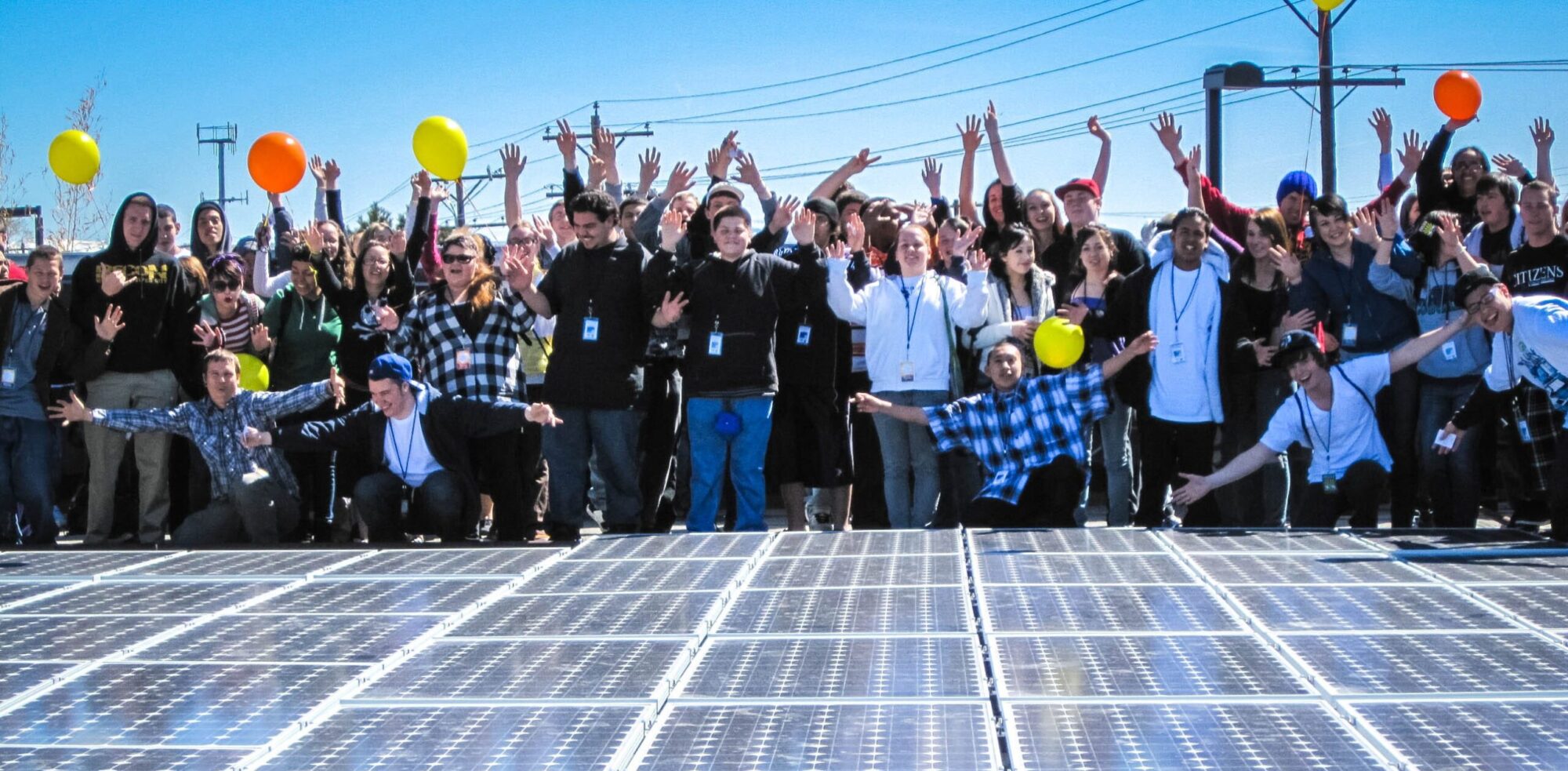
Young people have secured an imperfect but growing presence on the international stage in regard to climate advocacy. This contrasts Roberts’ book where the omission of youth appears glaringly obvious. The emergence of youth perspectives in Geneva, Brussels and London is a welcome development. And one that the international community and the British Government must attach to an overarching narrative of progress.
Of course, I may be biased as I have had the privilege in taking part in such a rewarding opportunity. As the UK Youth Delegate to the G7 (Y7) for Energy & Environment, I have seen first-hand how young people can inform multilateral engagements and work alongside people from different cultures to achieve a common goal. The result is a cohort of young leaders armed with a realistic understanding of policymaking, negotiating and public speaking.
Challenges have been interwoven in this journey throughout the entire process. My tenure began in February 2025 when climate action and multilateral co-operation came under particularly heavy fire from the new American administration.
I had the opportunity to meet with the Deputy British High Commissioner to Canada, the UK Climate Minister, and to speak on a Chatham House panel despite my less than native skill for public speaking.
However, when asked about the hardest part of the process, I immediately remember the difficulty in gathering and consulting young people on the issues that they cared most about within energy and environment. As a delegate your duty is to reflect the desires and concerns of the UK Youth, not any government or party political line. In doing so, it is all too easy to engage pre-established forums like climate groups or university students.
Planting New Seeds
To win the battle for hearts and minds, you must also reach the voices who are disillusioned, disinterested, and disappointed in the same institutions that advocate for a novel and potentially costly energy transition. The government has edged towards the right direction with its “Pride in Place” scheme. The £5 billion pot of funding aims to build stronger communities, create thriving places and empower local people by allowing them to guide the development of their places.
The UK government should extend this vision to the energy transition by mobilising one of its most underutilised assets: its youth. Young Brits are uniquely positioned to act as Energy Ambassadors. This should take the form of community liaisons who counter misinformation, engage communities directly, and translate the benefits of renewables into tangible outcomes like cheaper bills, skills for the future, and opportunities for energy sovereignty.
This is not without precedent. Refugee consultations shape mobility pathways, and Ukraine has rightly insisted there should be “no decisions about Ukraine without Ukraine.” In the same way, there should be no talk of climate security without those who will inherit its consequences. Britain’s youth hold soft power and innovative thinking that its leaders must harness, not sideline.
Two sets of polling reveal that this would be a worthwhile endeavour. A British Foreign Policy Group survey found that over 36% of 18-25 year olds view the climate crisis as Britain’s main security concern. Chatham House found that only 19% of 18-24-year olds trust politicians.
Energy Ambassadors should relay their feedback and local findings to devolved authorities, the Department for Energy Security and Net Zero and multilateral institutions. If young people deserve a seat at the table then they deserve the opportunity to defend their views on the ground.
This scheme would also present an opportunity to thaw UK-EU relations with the soft power ties that transnational youth activism can embed. I recently attended an EU/UK Youth Policy Dialogue that highlighted the common goals confronting young people across Europe. It served as a reminder that there is far more uniting us than dividing us.
Britain has an opportunity to advance itself as a global climate leader, whilst others step back from the Pale. This same opportunity offers the Government a chance to rebuild relations at the sub-national level. Many political commentators cite that this is the battlefield in which the insurgent hard right will be defeated. The Government needs to connect the dots of a narrative around People and Place and Energy Sovereignty that can be deployed at a local level to serve their mission of national renewal.
About the Author
Louis Smith was the UK Energy and Environment Youth Delegate to the G7 and currently works as an Energy Partnership Assistant with the West Midlands Combined Authority. He graduated from the University of Leeds with a Bachelor’s in International History and Politics and has a variety of experience in public talking and commentary writing advocating for climate action. Follow his work here.