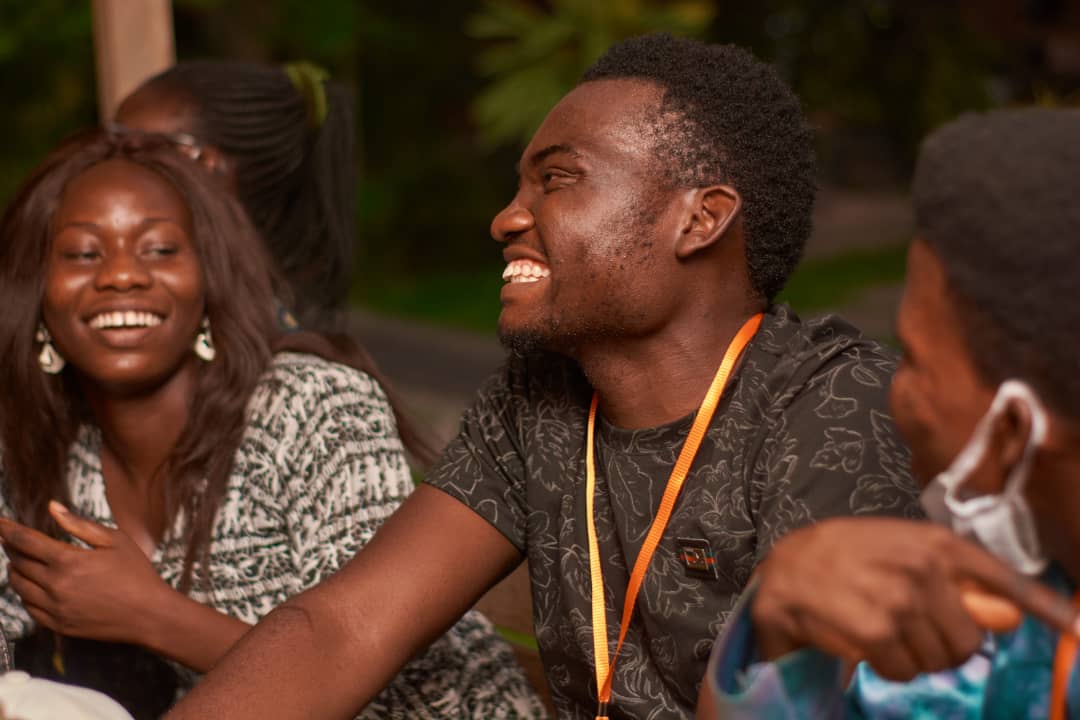
Nigeria is one of the most populous nations, and one of the most diverse in Africa with about 250 tribes and over 500 languages. Nigeria is also home to various religions, with Christianity and Islam being the most popular, followed closely by traditional African religions. This makes peacebuilding and ethno-religious tolerance very important. Unfortunately, however, there have been cases of conflict, extremism, and violence over the decades linked to ethnicity, religion, and identity amongst the various groups in the country. The most prevalent of these have been insurgency and terrorism with Christianity in the north of the country seemingly the most targeted in recent times. This has crippled development in the country, both in the north and in every other region, and this is why peacebuilding is very important.
Young people have been disproportionately affected by the insecurity in Nigeria, as it has always led to destruction of lives and properties, poverty and an inability to earn a living or even receive a good education. Young people are also being manipulated and used as instruments of violence and terrorism as they are being indoctrinated and told to defend their religious or ethnic identity violently. This situation sparked my interest in peacebuilding with a focus on youth engagement in peacebuilding. To confront such challenges, I initiated the Mind Reformers Network – a youth focused peacebuilding initiative aimed at getting young minds interested in and committed to peacebuilding.
Reforming Hearts and Minds
Since 2017, I have led the team to carry out various projects around peace education, from peace talks in schools and communities, to peace education workshops both virtually and physically to get more young people equipped for peacebuilding. From Calabar in Southern Nigeria, up to Kaduna in Northern Nigeria, engaging in peacebuilding has shown the importance of youth inclusion in peacebuilding. One major lesson along this journey is that young people across Nigeria are willing to contribute to peacebuilding and community development in their society and the country when they are given the opportunity to, and if shown how to. A critical challenge facing young people – particularly at the grassroots level – is the lack of basic skills to build peace adequately in their communities.
In Nigeria, overtime, illiteracy, lack of available jobs, poverty, drug abuse, and other issues have left young people vulnerable to being involved in violence. They see engaging in violence as a method for earning a living, as well as protecting their families and loved ones. This also unfortunately affects willingness to adequately engage young people in the grassroots and local communities and get them committed to peacebuilding and community development. Academic literature has shown that youth vulnerability and youths exclusion has often been cited as the basis for youth participation in violence.
Youth in the UK
Nigeria may be a continent away, but much of this finds parallels in the UK with youth vulnerability has been on the rise. This vulnerability is in part due to poverty, homelessness or neglect, among other forms of vulnerability which has been one of the effects of the COVID-19 pandemic. The Center for Young lives state of childhood vulnerability report shows about 4.5 million children in the UK living in poverty, which represents a third of children in the UK. Furthermore, this report shows that more than 920,000 young people between the ages of 16 and 24 were not in education, employment or training in the UK between January and March 2025 which is a 19% increase from 775,000 between January and March 2019. This is dangerous as it is a breeding ground for young people’s participation in violence and even extremism. The government must adequately begin to meaningfully engage its unemployed, out of school youths to avoid a downward slide into increasing violence and if not checked, brazen acts of terrorism.
There is a pervasive mislabeling of young people at the grassroots as being too young or incapable of being intentionally involved in peacebuilding. Such a misunderstanding is dangerous because they are then being used to perpetrate violence across the country. This dynamic is one also observed across regions of underdeveloped countries, and in places where young people are often neglected and not given enough opportunities to thrive and earn a living, leading to them being prone to involvement in violence and terrorism. This happens more at the grassroots, rural, and suburban areas; and these areas are where young people are often disconnected from the government, or even international organisations training on basic ways they can build peace and foster tolerance amongst each other. The problem of misunderstanding young people is further compounded by the effects of not properly managing bias and stereotypes which fuels hate, acts of prejudice and violence in the various societies and are breeding grounds for extremism. The United Kingdom must begin to make sure that it reaches its young population in areas where young people might be neglected. There needs to be intentional programs on tolerance, hate eradication, and bias management for the increasingly-diverse UK population. Such programmes must be done across cities by the council to ensure they reach every young person. Funding should be kept aside by all council managements, possibly in its youths engagement programs. This should also be encompassing for both in school and out of school children and youth.
Taking the Big Steps
It is intriguing that the UK does not yet have a national action plan on Youth, Peace and Security. This has to be looked into as a matter of urgent importance with the rising acts of youth violence across the UK. Having a national action plan for Youth, Peace and Security, and taking urgent steps to galvanize youth efforts towards peacebuilding tolerance and hate management is surely a way to tackle the disturbing challenge of youth violence across Britain. The national action plan should encompass all young people residing in the UK, with funding and mechanisms to ensure implementation of all the agreed action steps. Intentionality needs to be the cornerstone for ensuring that the plans are targeted also to the suburban and rural areas and every council in the country, not just in major cities.
Globally, young people are still being included in rooms as a token, and just to make up the numbers. Violent and extremist groups have thus far understood this and have manipulated young people instead. The United Kingdom must not make this mistake. There must be an opportunity for young people to sit and contribute in decision making rooms, not just in rooms for young people, but rather in nation building. With earnest inclusion, the UK can erode the effects of marginalization and reduce the vulnerability of its youth to participation in acts of violence.
About the Author
Victor is a passionate peacebuilder, and youth and community development advocate with close to a decade of experience in peacebuilding both in Nigeria, and in Africa. He is the founder of the youth-led, non-profit organisation Mind Reformers Network. Through his work, Victor empowers young Nigerians and Africans to become agents of peace, tackling insecurity challenges through education and fostering a generation committed to a more peaceful future. He has organized various peace talks, outreaches, advocacies, digital campaigns and physical and virtual peacebuilding workshops for young people over the years.
He is an Institute for Economics and Peace Ambassador 2019, United States Institute for Peace Generation Change Fellow 2022, the immediate past country coordinator for Commonwealth Youth Peace Ambassadors Network in Nigeria from 2021 to 2023, Rotary Positive Peace Activator 2023, Kofi Annan Changemaker Awardee 2024, and a Rotary Peace Fellow 2024 amongst others. He is also a commonwealth youth correspondent for the Commonwealth Secretariat where he writes for the youth blog on peacebuilding, youth development and community development issues.
Find out more about his work here.
This was a beautiful read. Young people should have a voice.
Peace is possible when we all keep our differences aside.
Exactly.
Thank you for your comment Mary
I’m deeply impressed by your proactivenes and sincere effort towards chatting a noble and rewarding course on championing youth led peace initiative across the nation and beyond the shores of Nigeria and Africa.
Keep brooding the horizon for more greater achievement.